The surgery went fine, and your surgeon was happy with how everything looked. Weeks later, the puffiness you keep catching in the mirror still has not settled. Nobody handed you a plan for this part of recovery, so you have been waiting, watching, and wondering what you are allowed to do about it. I am Geri León, a massage therapist in Castro Valley, and I work with San Leandro clients through this stretch of healing. Ask your surgeon when massage fits your recovery. The moment they say yes, the gentle work can start.
Why the Puffiness Outlasts the Incision
Your lymphatic network returns fluid from your tissues toward the bloodstream, and unlike your blood, lymph has no central pump behind it. It depends on the vessels themselves and on the muscle movement around them, and recovery usually means less of the muscle movement that helps lymph along. Timelines vary by procedure, so the settling can take longer than you expected even when everything is on track, and your surgeon knows the course yours should follow. That no-pump detail is also why I work in an ordered sequence toward the pathways that are working well, sometimes beginning nowhere near the swollen area, preparing the route before the fluid has anywhere to go.
The Triage Read I Use Before Any Hands-On Plan
Post-surgical swelling comes in two kinds, and telling them apart is the first job. The first kind sits where your surgeon expected it, changes slowly, and follows the course they described at your follow-up. Once you are cleared, that is the swelling very light lymphatic work can help ease, along with the long stretch of snug waistbands and mirror checks that comes with it. The second kind arrives suddenly, or on one side, or warm, red, painful, or with a fever, and that kind goes back to your surgeon promptly, while chest pain or trouble breathing means emergency care.
Why Your Surgeon Answers Before I Do
There is no universal day when massage becomes appropriate after surgery. A tummy tuck, a knee replacement, and a round of liposuction heal on different timelines, with different incisions, garments, drains, and restrictions, and your surgeon's protocol governs all of it. So ask two specific questions at your next visit. Is massage appropriate for my procedure at this stage, and which areas or movements still need protection? Bring those answers to me, and I build the session around them, including anything the surgical team wants left completely alone.
What Gentle Lymphatic Work Involves
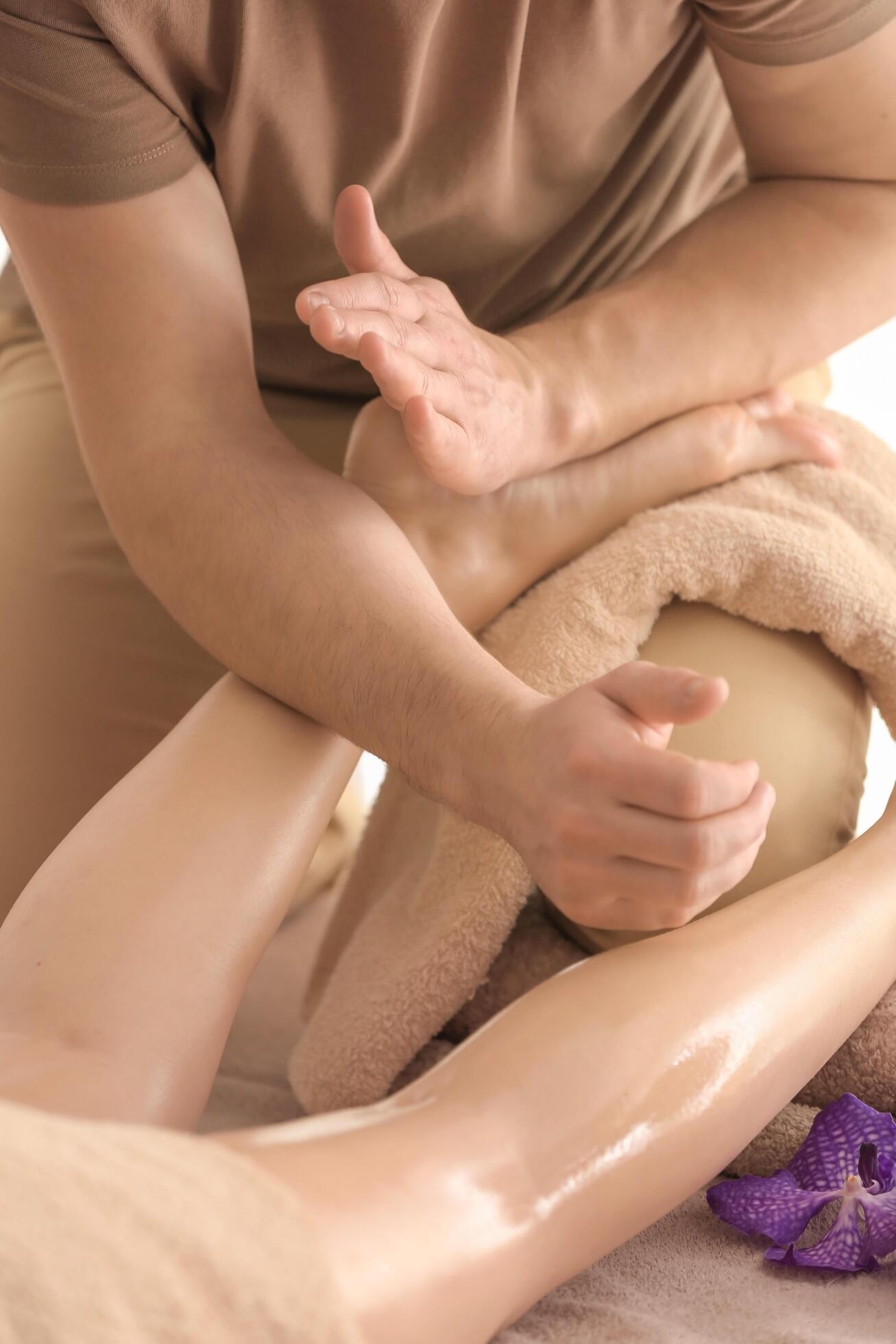
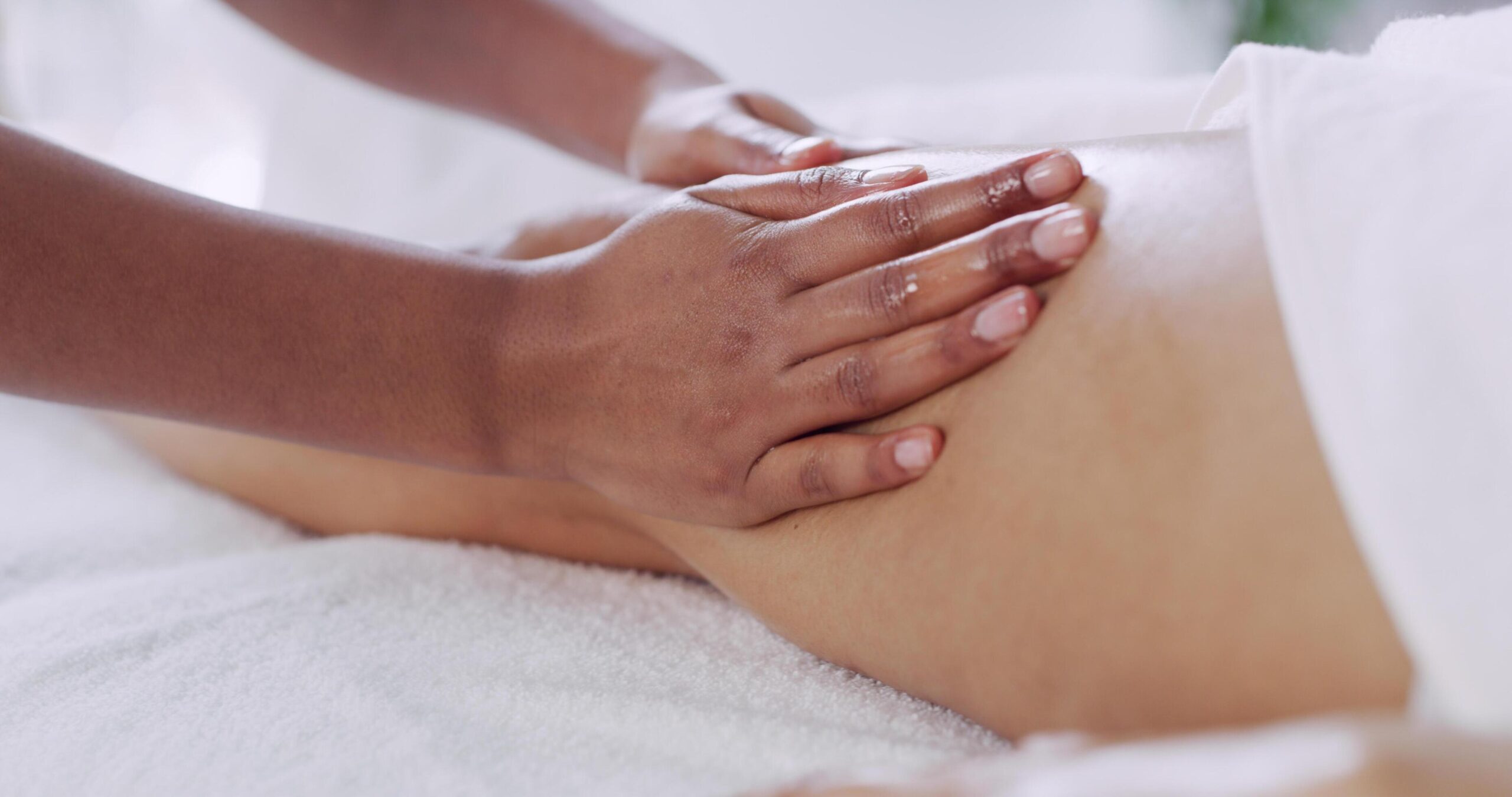
Lymphatic drainage is among the lightest touch in massage, and after recent surgery I keep it lighter still. Deeper pressure does not move more lymph. The contact is light, deliberate, and unhurried, and you stay clothed to your comfort. The pressure stays close to the weight of a resting hand, light enough that you can settle under it. We talk through any tender area before I work near it, and you can ask for a change at any point. If lymphedema has been diagnosed, this work stays inside the larger plan your medical team manages.
When you have that go-ahead, call me, Geri León, at (510) 409-8598 and we will start gently. If you are unsure where you stand, call anyway. I will help you frame the exact questions to bring to your next appointment.